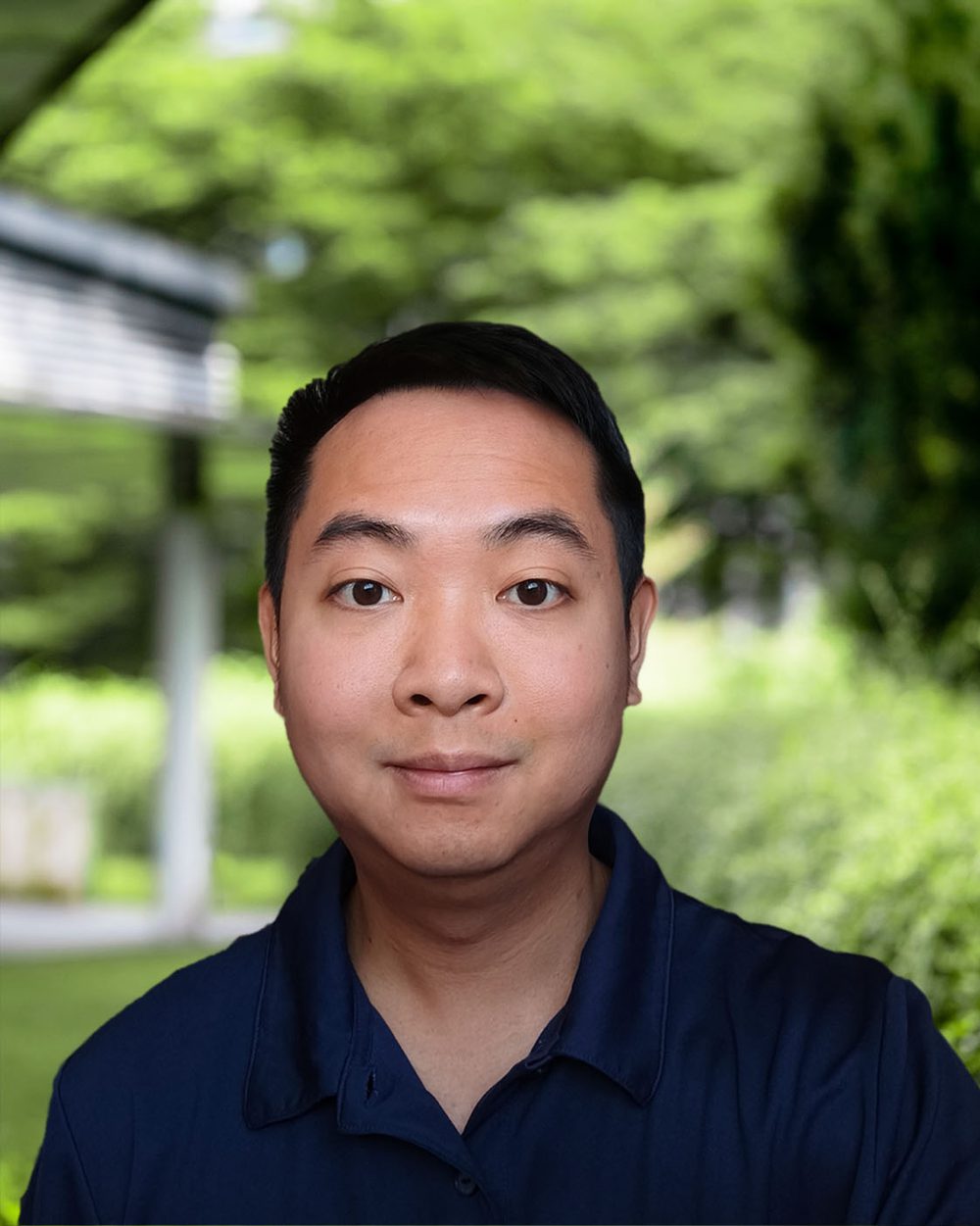
Climate and ecosystem science Dr. Steve Hoong Chen Teo
The Amazon River and rainforest near Iquitos, Peru
The Amazon River near Iquitos, Peru.

From climate ambition to real outcomes.

I advance climate and ecosystem science to make sure our environmental commitments deliver for nature and people.

Research themes

Climate change is intensifying faster than our response. We need to scale up action that works.

Mist over forested hills at dawn, Selangor, MalaysiaMist over forested hills at dawn, Selangor, Malaysia.
Nature

Ecosystem resilience & tipping points

Forests recover from stress, until they can’t.

Detecting the critical slowing down before a forest tips, and mapping where the risk concentrates across the tropics.
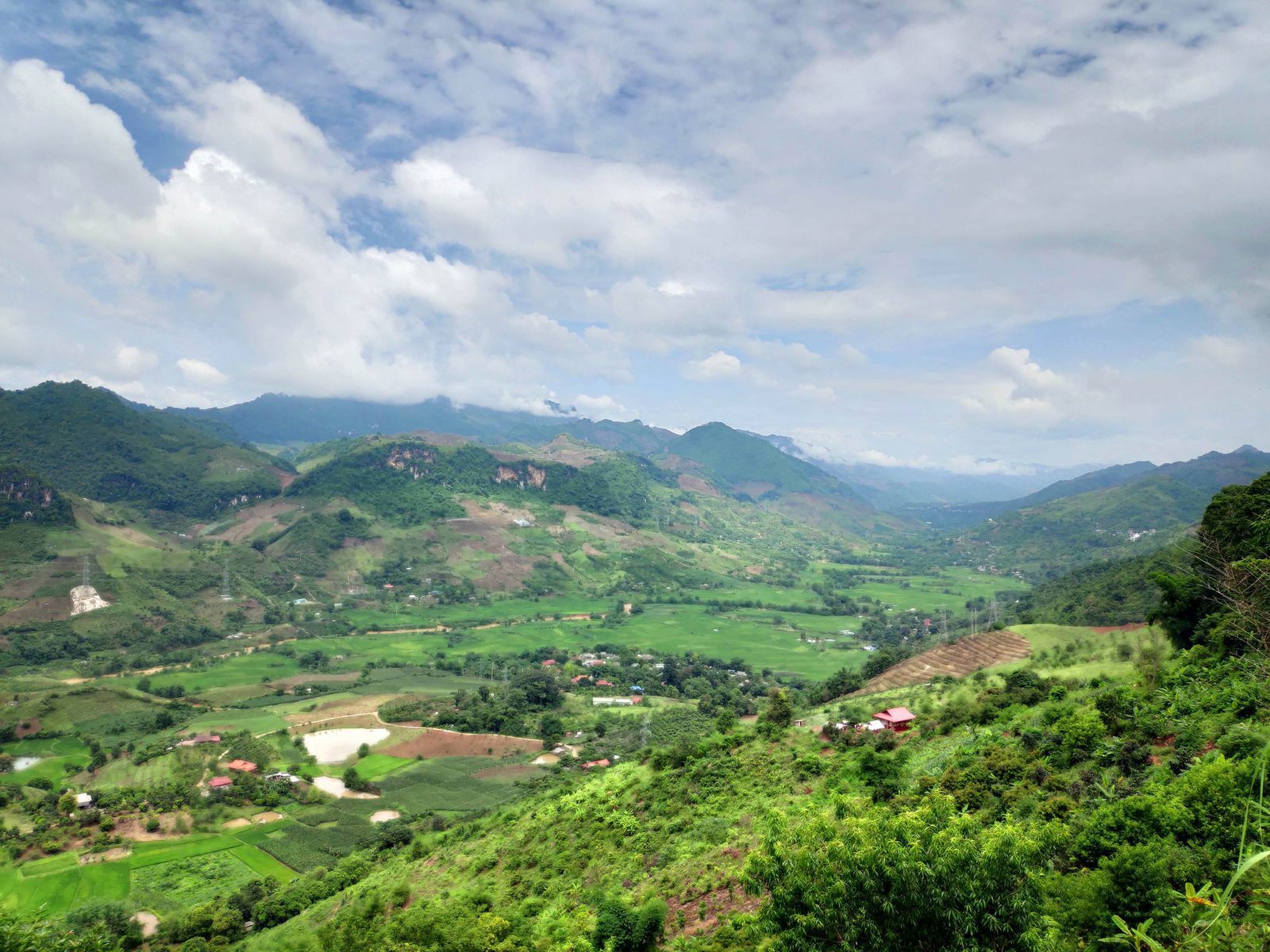
Cultivated valleys among forested hills, Moc Chau, VietnamCultivated valleys among forested hills, Moc Chau, Vietnam.
People

Socio-ecological sustainability

Helping people and ecosystems at once, and seeing who pays.

Finding where nature-based solutions genuinely work, and how their benefits and burdens are distributed.

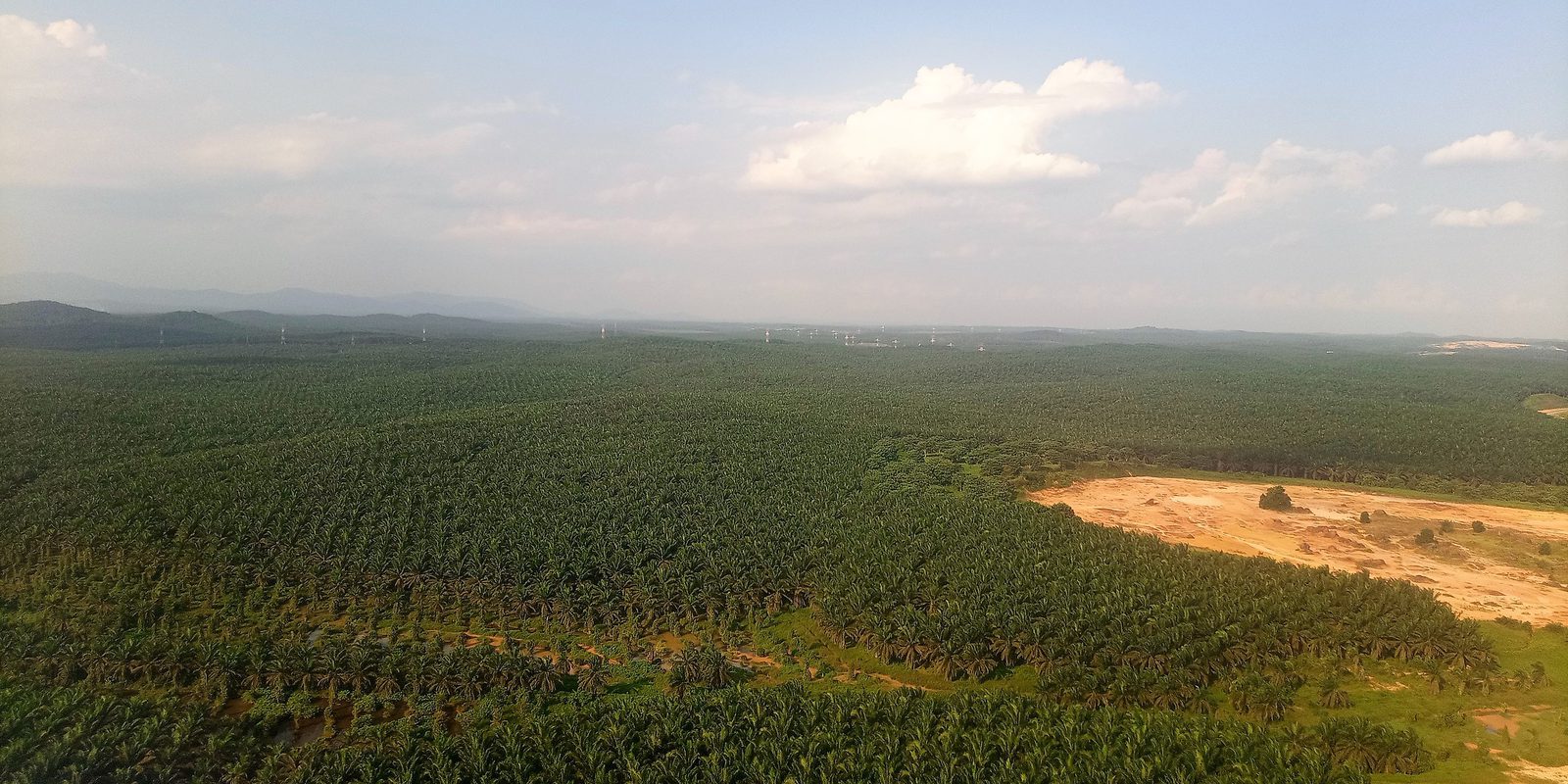
Cleared ground meeting oil palm plantation, Johor, MalaysiaCleared ground meeting oil palm plantation, Johor, Malaysia.
Policy

Climate policies & actions

Carbon markets make promises. Can the evidence support them?

Stress-testing additionality, leakage, and permanence to find which instruments deliver durable outcomes.

A flux tower rising above the forest canopy at Yangambi, DR Congo
A flux tower measures the carbon and water exchanged between forest and atmosphere, at Yangambi, DR Congo.
Research methods

A quantitative toolkit, from satellite to causal model.

I combine large-scale Earth observation with rigorous causal methods, so a claim about a forest, a carbon project, or a policy can be tested against what would have happened otherwise.

EO · Remote sensing
Satellite Earth observation
Optical and radar composites (Sentinel, Landsat, MODIS) to measure forest state and change.
Dynamics
Earth-system modelling
Machine learning and physics models to understand earth system process. Resilience indicators and critical slowing down detection from dynamical systems theory.
Identification
Causal inference
Counterfactual and quasi-experimental evaluation to isolate real effects from baselines.
Ground truth
Field data & local knowledge
Ground truth to anchor and validate the satellite and model layers.
Making the world a better place
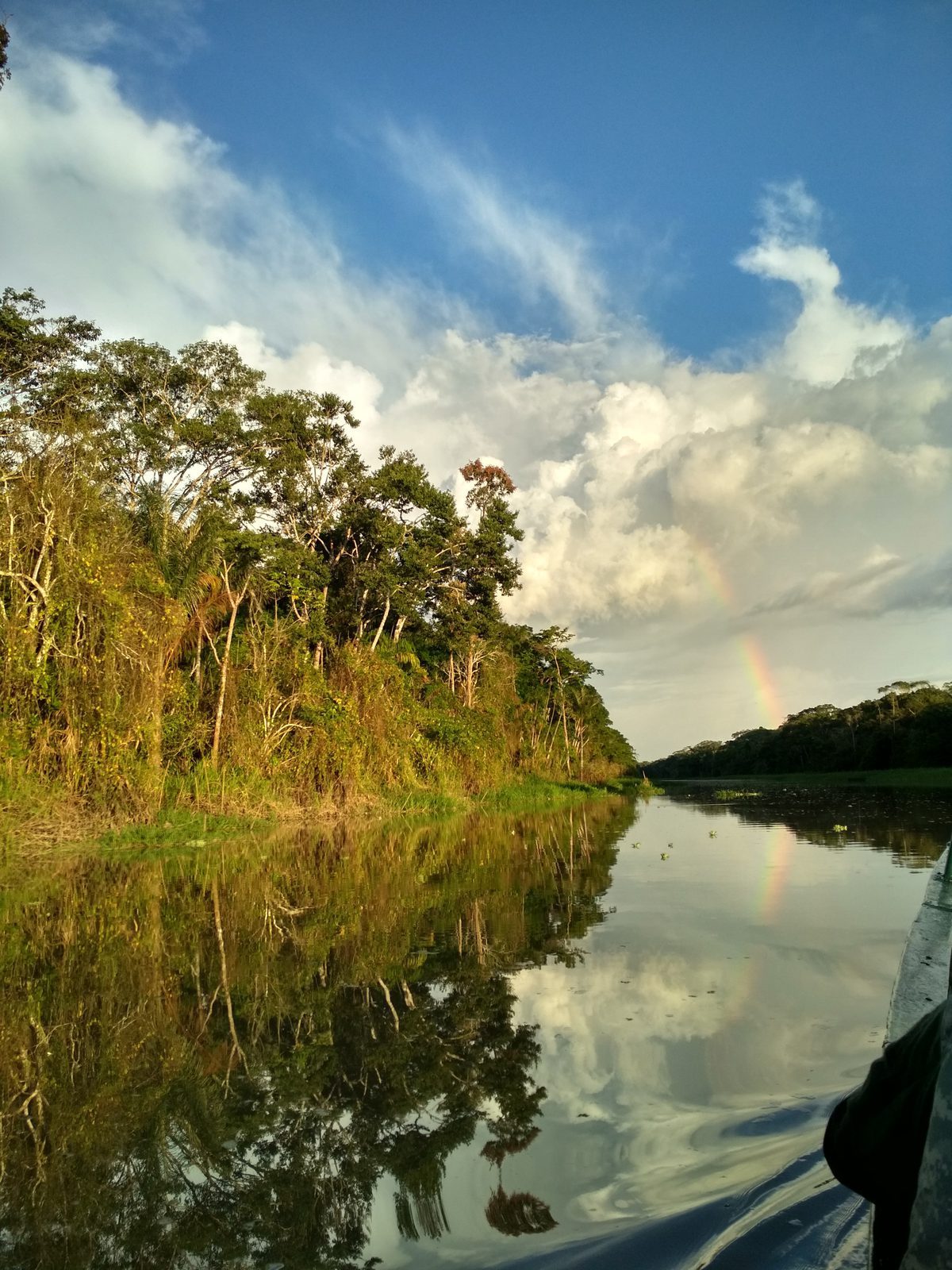
A channel through Amazon rainforest at golden hour, near Iquitos, PeruA channel through Amazon rainforest at golden hour, near Iquitos, Peru.

“Indigenous leaders in Peru and Panama cited my research in advocating to conserve their lands.”

PNAS 2024 → advocacy letters to the ICVCM

Cited & used by
Intergovernmental Panel on Climate Change
UN Framework Convention on Climate Change
International Union for Conservation of Nature
UN Environment Programme
Asian Development Bank
Integrity Council for the Voluntary Carbon Market

My research has informed governments and global institutions, and just as meaningfully, the communities living closest to the forests it studies.

Read more →
Who I work with
Technical University of Munich National University of Singapore European Space Agency UN Environment Programme University of Nottingham
About

Dr. Steve Hoong Chen Teo

I am a climate and ecosystem scientist working at the intersection of nature, people, and policy. My research brings evidence from the tropics and Southeast Asia into global climate, conservation, and supply-chain policy.

Postdoctoral research fellow · Professorship for Earth System Modelling ·
Munich Climate Center, Technical University of Munich (TUM) ·
Department of Complexity Science, Potsdam Institute for Climate Impact Research (PIK)

More about me →
Dr. Steve Hoong Chen Teo

Dr. Steve Hoong Chen Teo

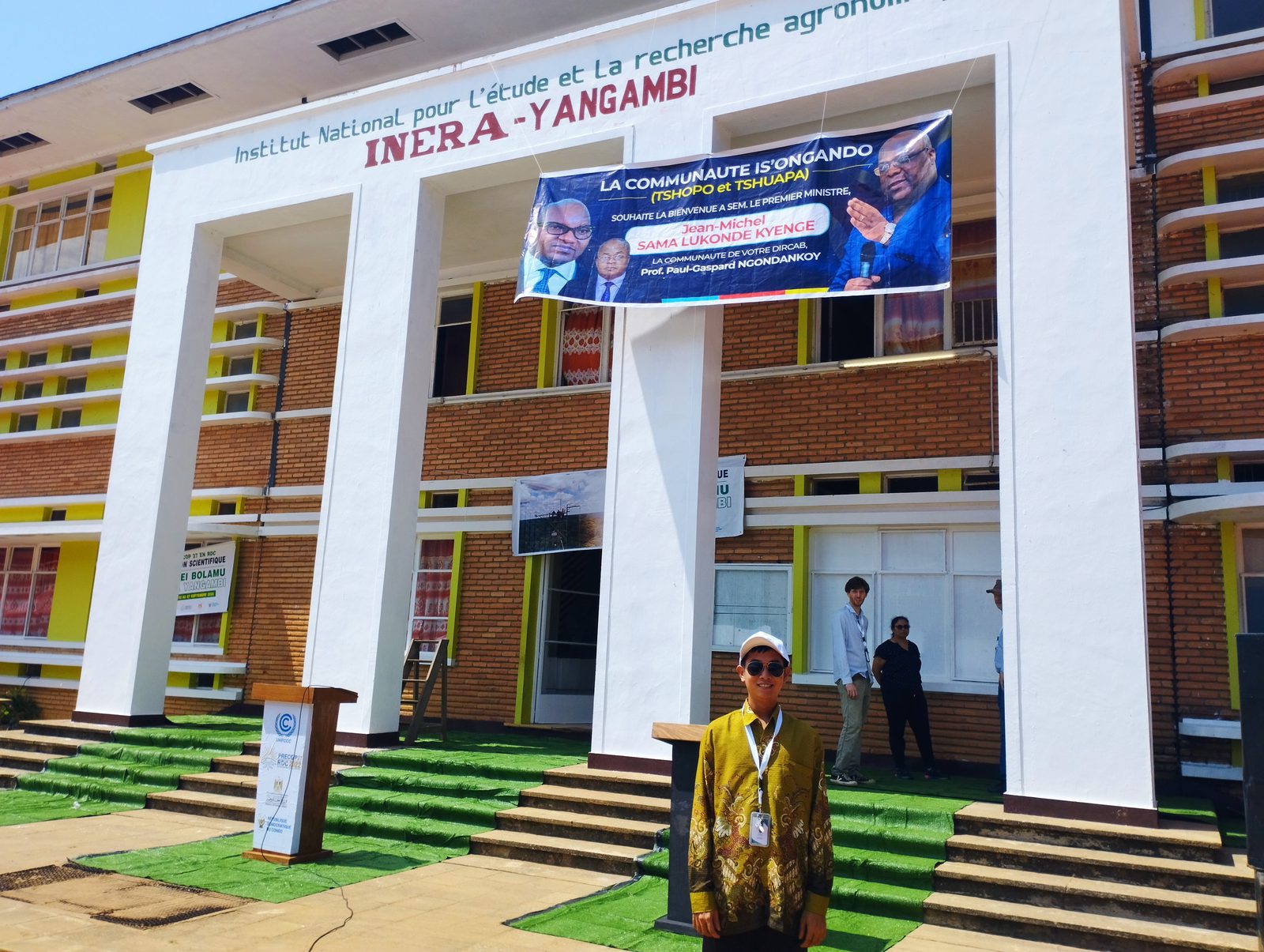
The research station at Yangambi with the meeting banner across the portico
Represented Singapore as its national expert at the UNFCCC COP27 proceedings, DR Congo.
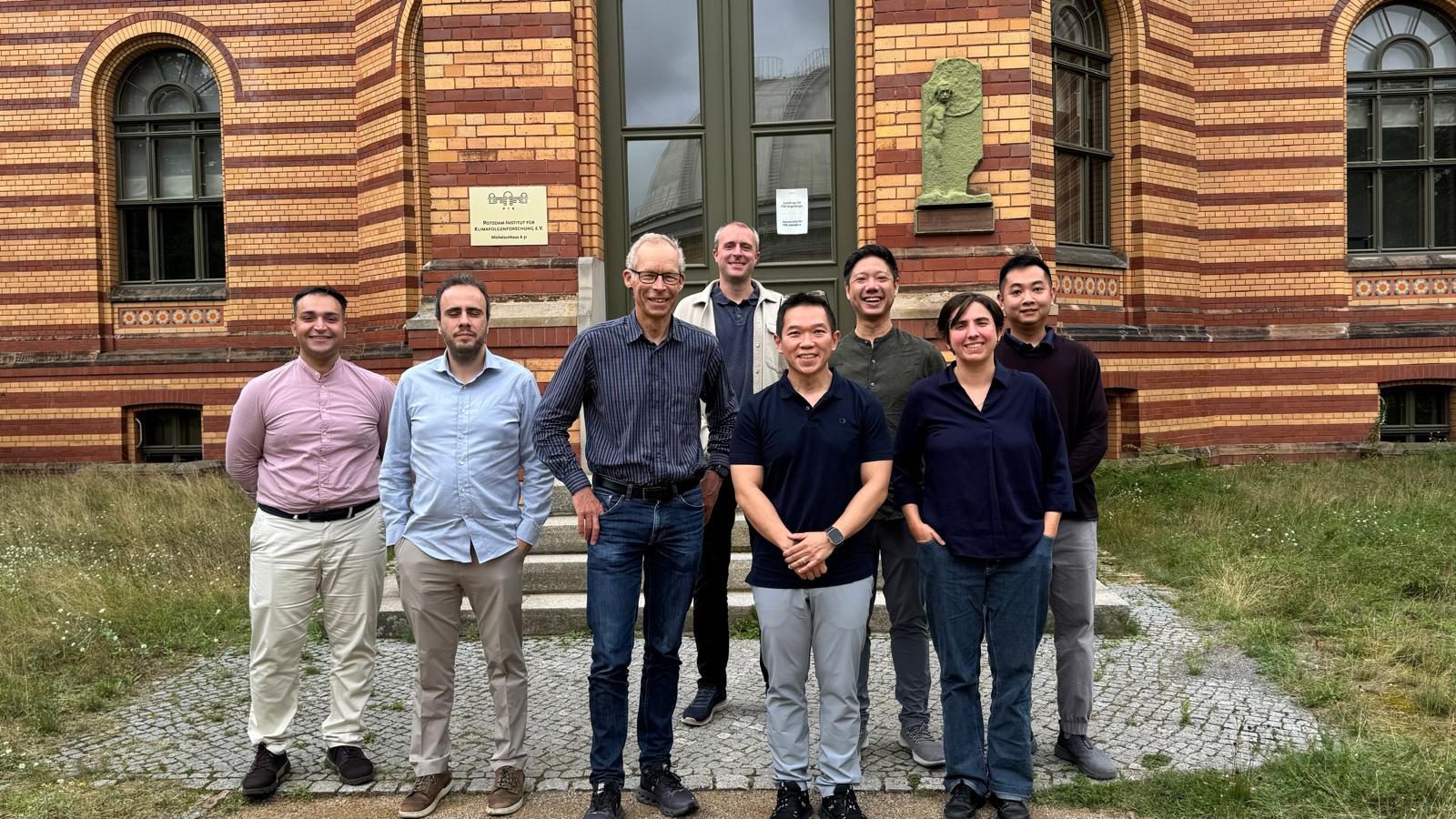
With colleagues at the Potsdam Institute for Climate Impact Research
With planetary boundaries scientist Johan Rockström and colleagues at the Potsdam Institute for Climate Impact Research, Germany.
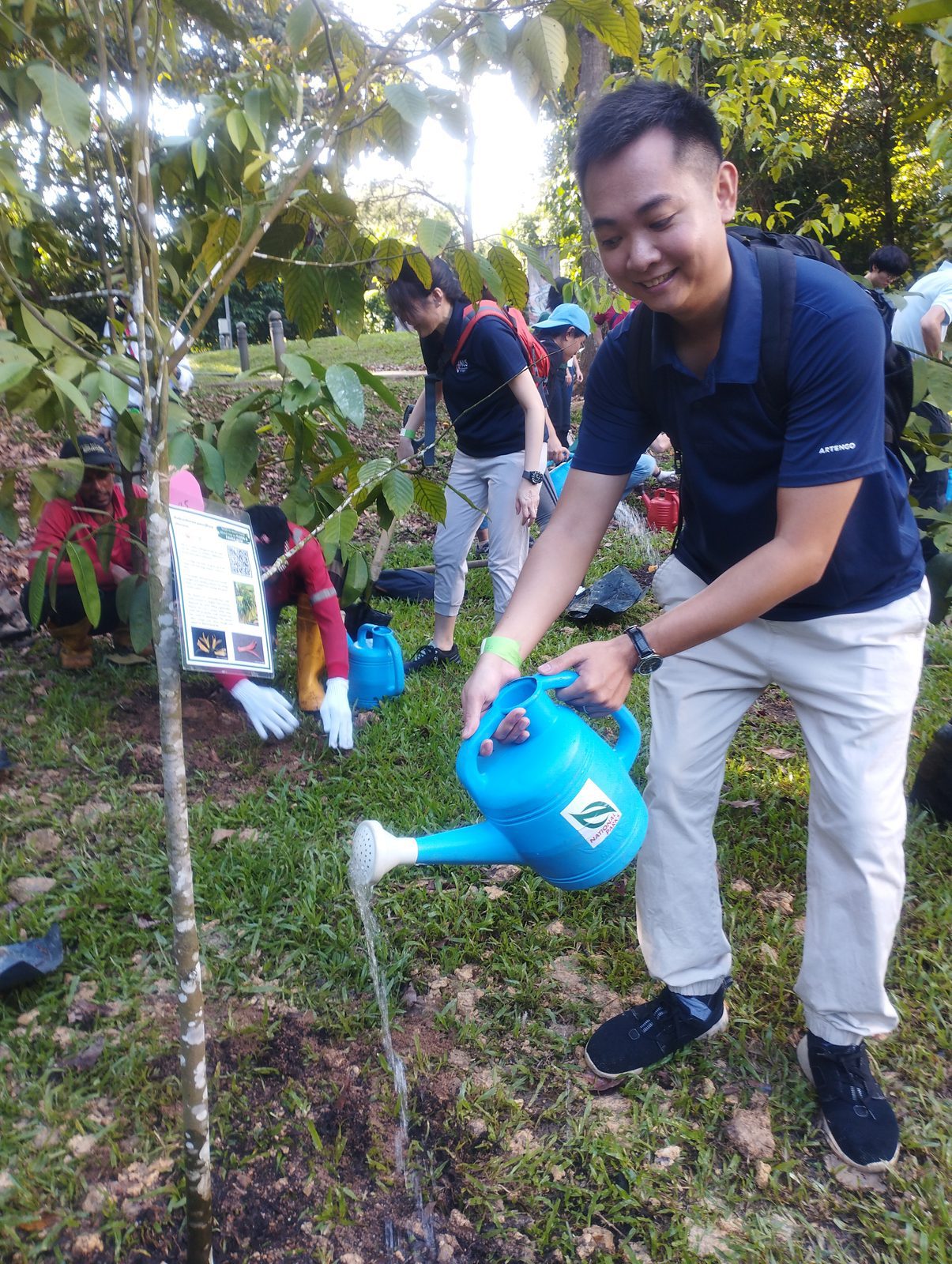
Watering a newly planted sapling at NUS
Planting a Rubroshorea pauciflora, a native endangered species, at Clean and Green Singapore Day.
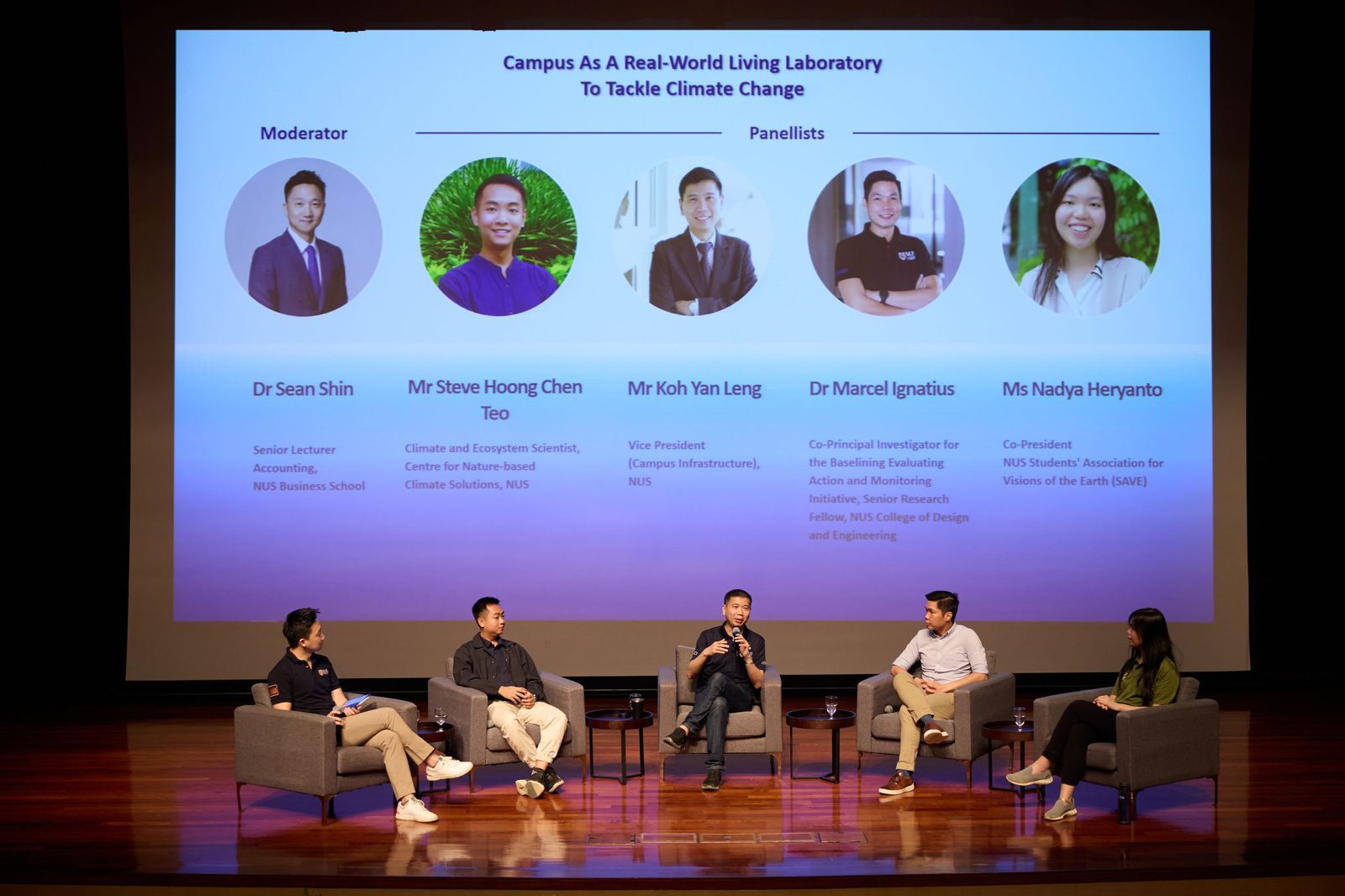
On a panel at NUS with the session title on screen behind
On the panel “Campus as a real-world living laboratory to tackle climate change”, NUS.